


Production of gene transfer vectors
Scientific and technical manager: Véronique Guyonnet-Dupérat
Scientific advisor:
François Moreau-Gaudry
Vectorology
You want to:
- Express a wild-type or mutant protein
- Build a cell model
- Label your cells to track them in vivo
- Block the expression of a gene
The Vectorology platform
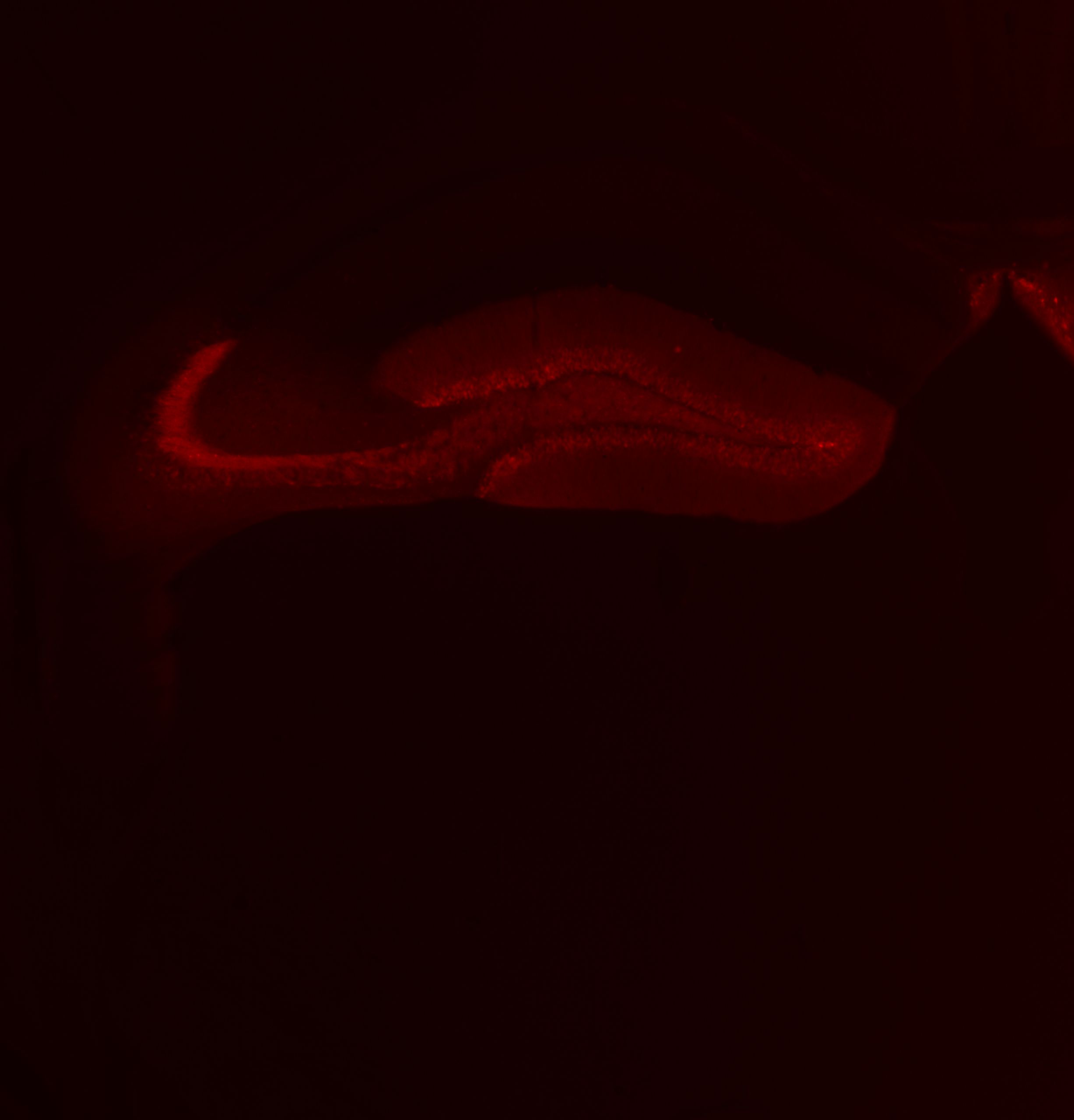
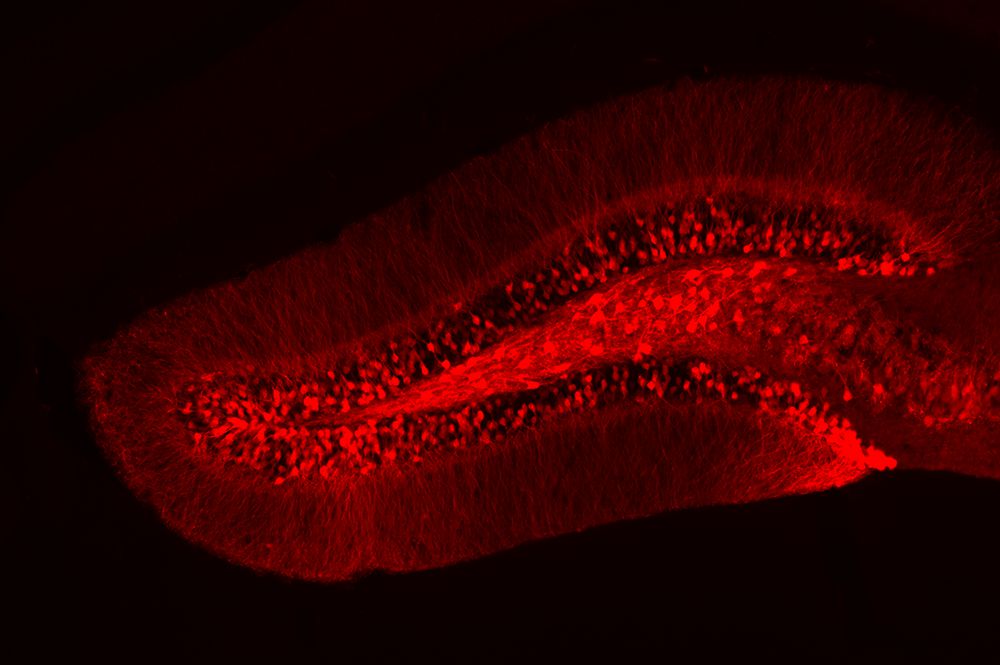
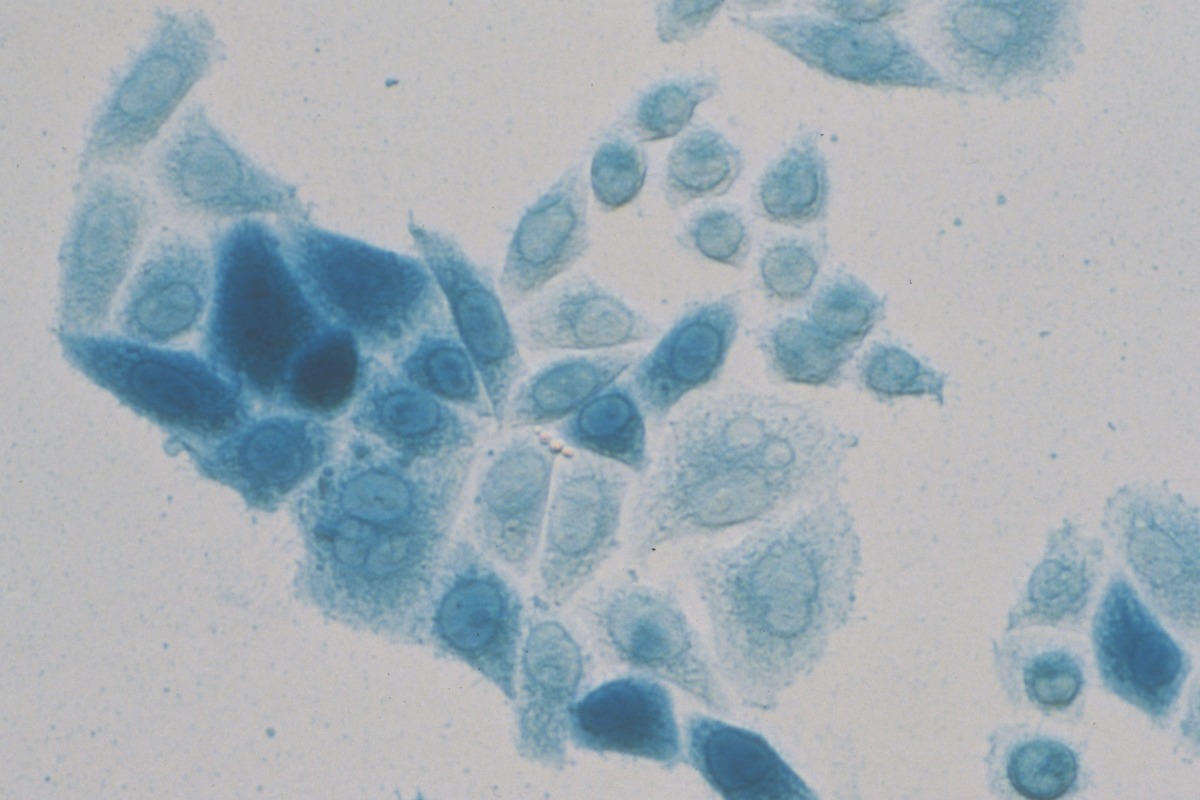
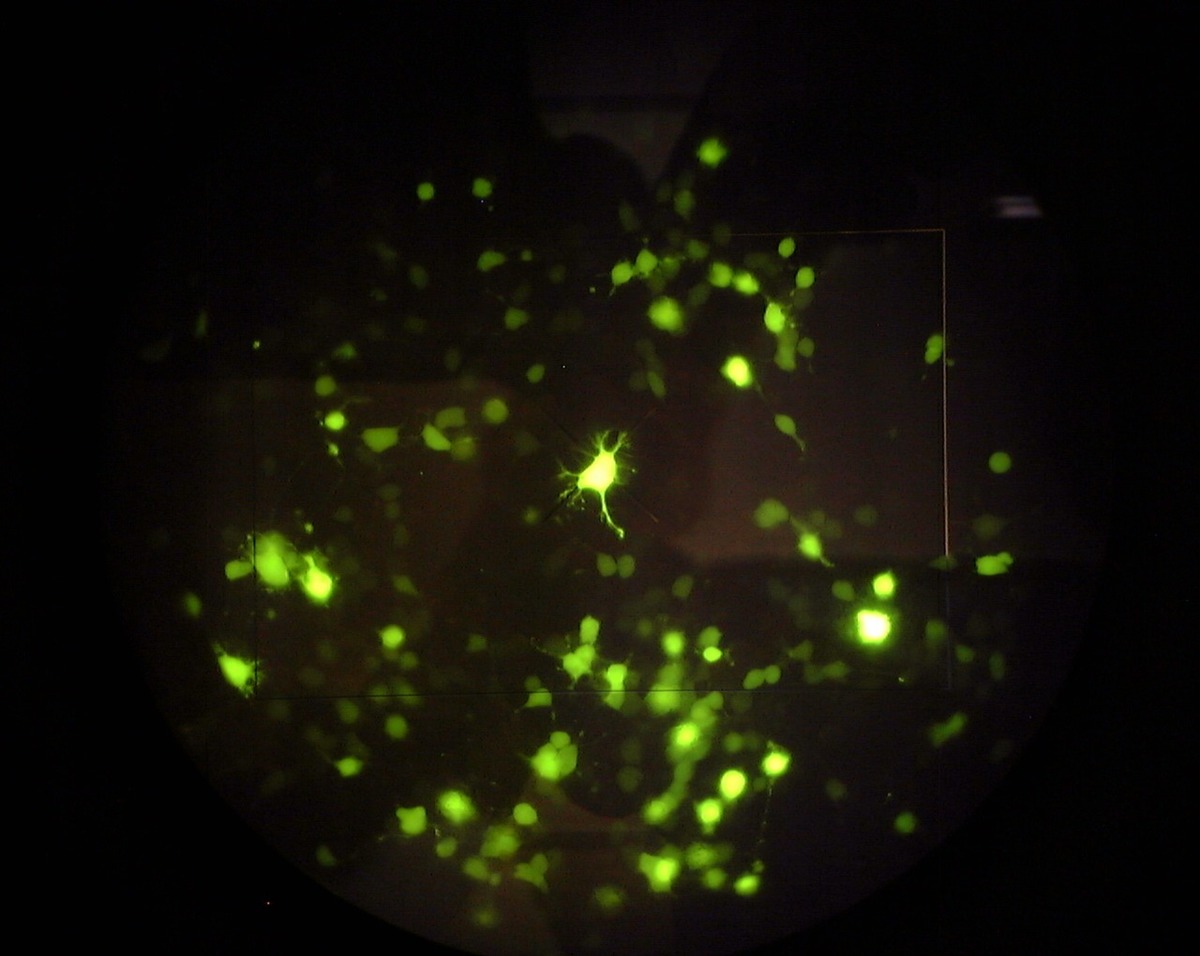
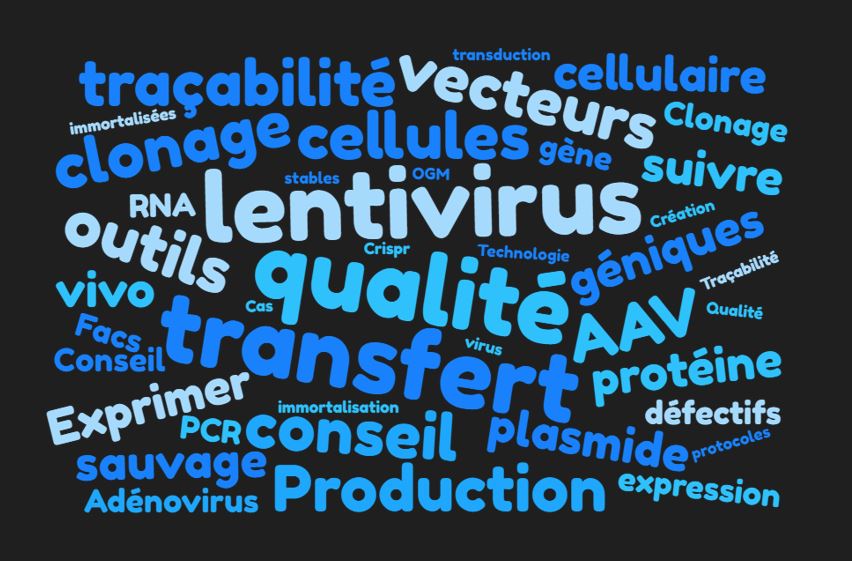
Since 2005, the Vect’UB platform has offered its expertise in gene transfer to all academic and private research laboratories. It has a panel of latest-generation vectors and offers custom production of recombinant viral particles: lentiviral, adenoviral and AAV (Adeno-Associated-Virus) vectors.

Vectorology Bordeaux
Vect’UB services
Documents to download
Choosing the right gene transfer vector
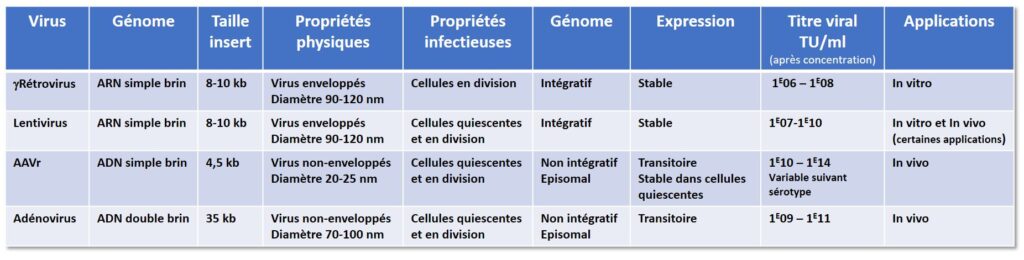
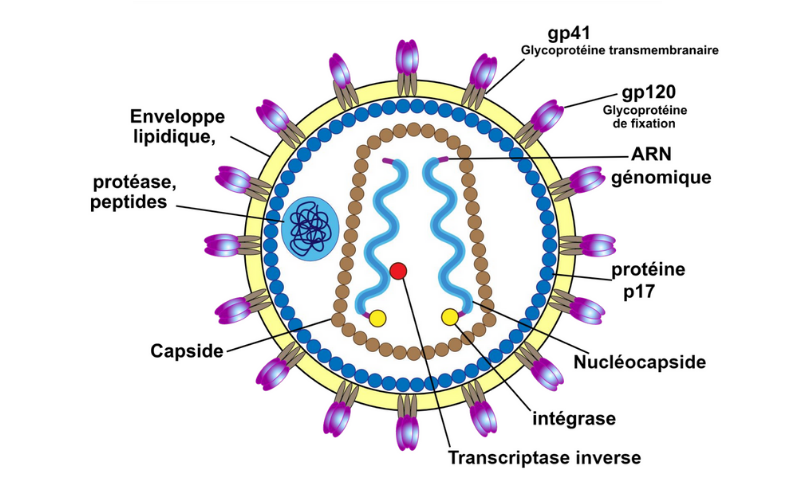
Lentiviral vectors, due to their natural properties, are the most efficient infectious agents, transferring their genetic material to their hosts whether they are dividing cells or not. They also allow stable expression of the gene of interest thanks to their integration into the genome of the cell. They are used for applications ranging from in vitro transduction to in vivo injection.
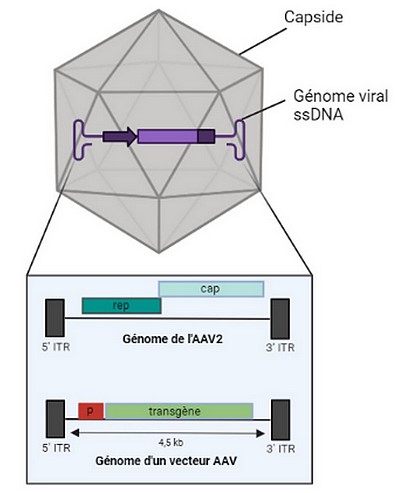
rAAVs are small, non-enveloped and non-integrative viruses which, thanks to the existence of numerous serotypes, are more particularly used in vivo for cell targeting.
Both are ideal vectors for efficiently transducing any cell type, hence their multiple applications in both basic and therapeutic research.
Lentiviral vectors
The benchmark gene transfer vectors
Efficient
- Effectively infect resting cells (stem cells,
neurons..) - Reasonable cloning capacity (8-10 kb)
- Expression stability (integrative vector)
- Adaptable cell tropism (choice of viral envelopes)
- Regulation of transcription possible (choice of promoters, ubiquitous,
tissue specific, inducible)
Safe
- No transfer of viral sequences
- Defective for replication
- Low toxicity (low immunogenicity)
- Weak immune response (absence of viral genes)
- Viruses with high infectious and stable titers
rAAV vectors
Efficient
- Limited cloning capacity (4.5 kb)
- Adaptable tissue tropism (large choice of serotypes)
- Regulation of transcription possible (choice of promoters,
ubiquitous, tissue specific, inducible)
Safe
- Non-integrative vector
- Defective for replication
- Safety
- Viruses with high infectious titers
The Vect’UB +
- Batches of viral particles guaranteed “Mycoplasma free”
- Excellent traceability of viral batches
- High titer virus production
- Wide variety of vectors available
Prices: Quote on request
Specific features: The platform has a wide variety of lentiviral vectors
Quality: Traceability of protocols and virus batches, containments compliant with GMO classification
Access: The services of the platform are open to all French academic laboratories which request it and which are in possession of the necessary authorizations for the use of GMOs. The laboratory wishing a service will make the request via the “request for service” downloadable from the site. For any request, contact the manager.
Equipment
- L2 laboratory and access to L3 (UB’L3)
- 2 PSM II
- 2 CO2 incubators
- 1 freezer -80°C
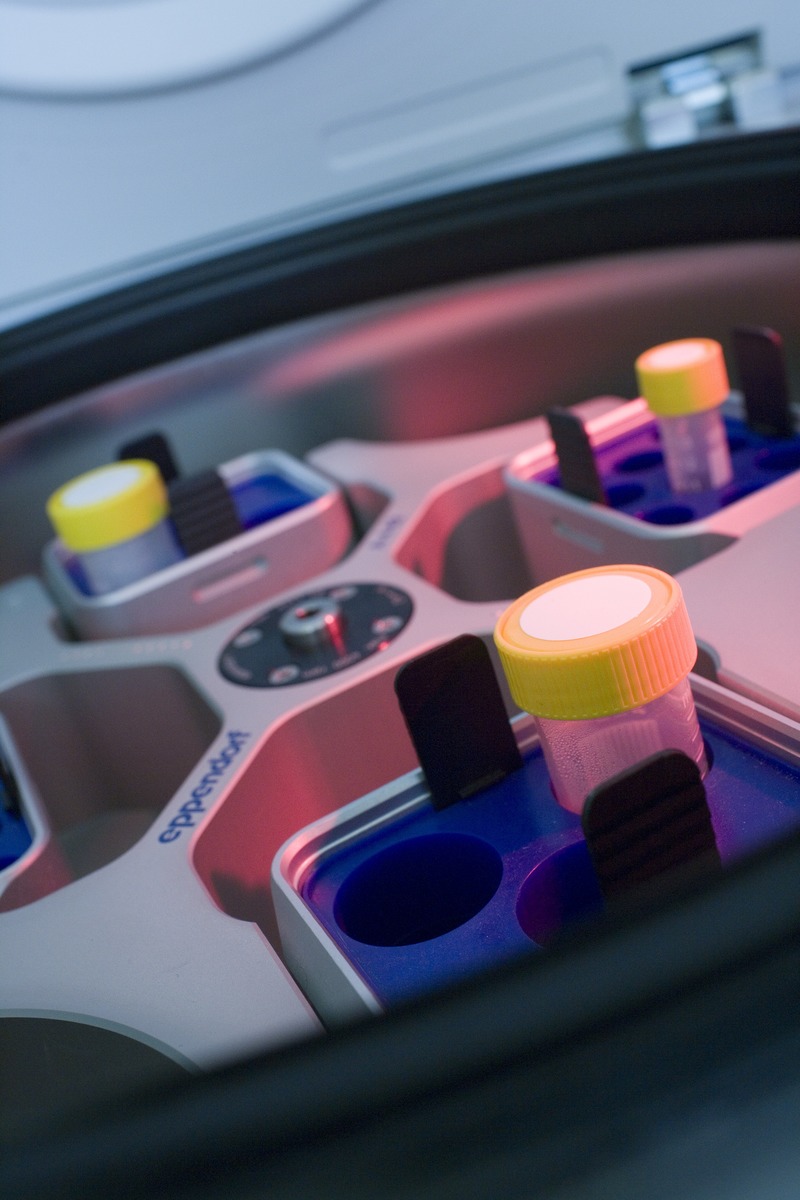
- 1 High-speed centrifuge
- 1 Ultracentrifuge
- 1 Nucleofector4D
- 1 AccuriC6 cytometer
Contact
For any information or quote request
Main contact
vectub@u-bordeaux.fr
05.57.57.16.02
Scientific and technical manager
Véronique Guyonnet-Dupérat
veronique.guyonnet-duperat@inserm.fr
Scientific advisor
François Moreau-Gaudry
francois.moreau-gaudry@u-bordeaux.fr
Technical Manager, “AAV” Division
Alice Bibeyran
Technical Manager, “Lentivirus” Division
Jennifer Cattiaux
jennifer.cattiaux@u-bordeaux.fr
Staff
Quentin Simounet
Camille Charbonnieras
Location
VECT’UB / Vectorology Platform
TBMCore · CNRS UAR 3427 · INSERM US005
University of Bordeaux
BBS building · 5th floor
2 rue Dr Hoffmann Martinot
33000 Bordeaux
Our team

Véronique
Guyonnet-Dupérat

François
Moreau-Gaudry

Alice
Bibeyran

Jennifer
Cattiaux

Quentin
Simounet